

How Does the Closure System Work?
Published on:
2023-07-27 09:19
Source:
The FITGO closure system has revolutionized the way we secure our shoes, offering a blend of convenience, performance, and personalized fit. This innovative lacing solution, developed by FITGO Technology Inc., has garnered widespread attention for its unique mechanism. In this article, we delve into the mechanics of the FITGO closure system to uncover how it works its magic, ensuring an unparalleled footwear experience.

1. The Building Blocks: Key Components of the FITGO Closure System
Understanding the FITGO closure system begins with familiarizing yourself with its primary components:
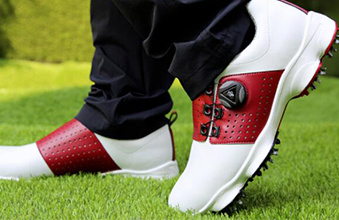
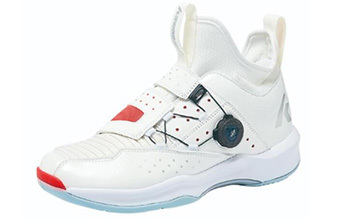
Dial: At the heart of the system lies the dial. This compact, ergonomic device is responsible for adjusting the tension of the laces. The dial is usually positioned on the tongue of the shoe or along the sides, within easy reach for quick adjustments.
Laces: Unlike traditional laces, the FITGO system uses specialized laces made from high-strength materials like steel or nylon. These laces are designed to be incredibly durable and resistant to wear and tear.
Guides and Lacing Zones: The laces are threaded through guides or eyelets placed strategically along the shoe. These guides ensure that the laces are distributed evenly, preventing pressure points and ensuring a comfortable fit.
2. Step-by-Step: How the FITGO Closure System is Adjusted
Adjusting the FITGO closure system is a straightforward process that involves a few simple steps:
Step 1: Prepare Your Shoes
Put on your shoes and make sure the FITGO dial is easily accessible.
Step 2: Engage the Dial
Turn the dial clockwise to engage the mechanism. This initiates the tightening of the laces.
Step 3: Adjust the Fit
Turn the dial in small increments to achieve the desired level of tension. As you turn the dial, you'll feel the laces becoming snug around your foot.
Step 4: Fine-Tune the Fit
The FITGO closure system allows for precise micro-adjustments. If you feel that certain areas of your foot need more or less tension, you can fine-tune the fit by making small adjustments using the dial.
Step 5: Lock in Place
Once you're satisfied with the fit, push down or pull up the dial to lock it in place. This prevents the laces from loosening during wear.
3. The Benefits: Why Choose the FITGO Closure System?
The FITGO closure system offers a range of benefits that set it apart from traditional lacing methods:
Precision Fit: The micro-adjustable nature of the system allows you to customize the fit to your exact preference. This eliminates discomfort caused by overly tight or loose laces.
Quick and Easy: With a simple turn of the dial, you can achieve a snug fit within seconds. This is especially advantageous in situations where time is of the essence.
Consistent Pressure Distribution: The FITGO closure system ensures even tension distribution across the entire foot, reducing the risk of pressure points or discomfort during prolonged wear.
Performance Enhancement: Athletes and outdoor enthusiasts appreciate the ability to make on-the-fly adjustments during intense activities, enhancing their performance and focus.
Aesthetics and Comfort: The absence of traditional laces lends a cleaner and more streamlined look to footwear. Moreover, the snug fit provides comfort without compromising on style.
Conclusion: Unlocking the Future of Footwear Fit
The FITGO closure system represents a remarkable leap forward in footwear technology. Its blend of precision, convenience, and performance enhancement has reshaped how we perceive and interact with our shoes. By combining the power of the dial, specialized laces, and strategic guides, the FITGO closure system ensures that your footwear not only fits like a glove but also caters to your individual preferences. Whether you're an athlete pushing your limits or an everyday individual seeking comfort and style, the FITGO closure system promises a future where footwear fit is optimized to perfection. Fitgo is a lacing system supplier. If you are interested in our products, please contact us now!
Previous page
Next page
Previous page
Next page
Related News



SCAN AND FOLLOW US